
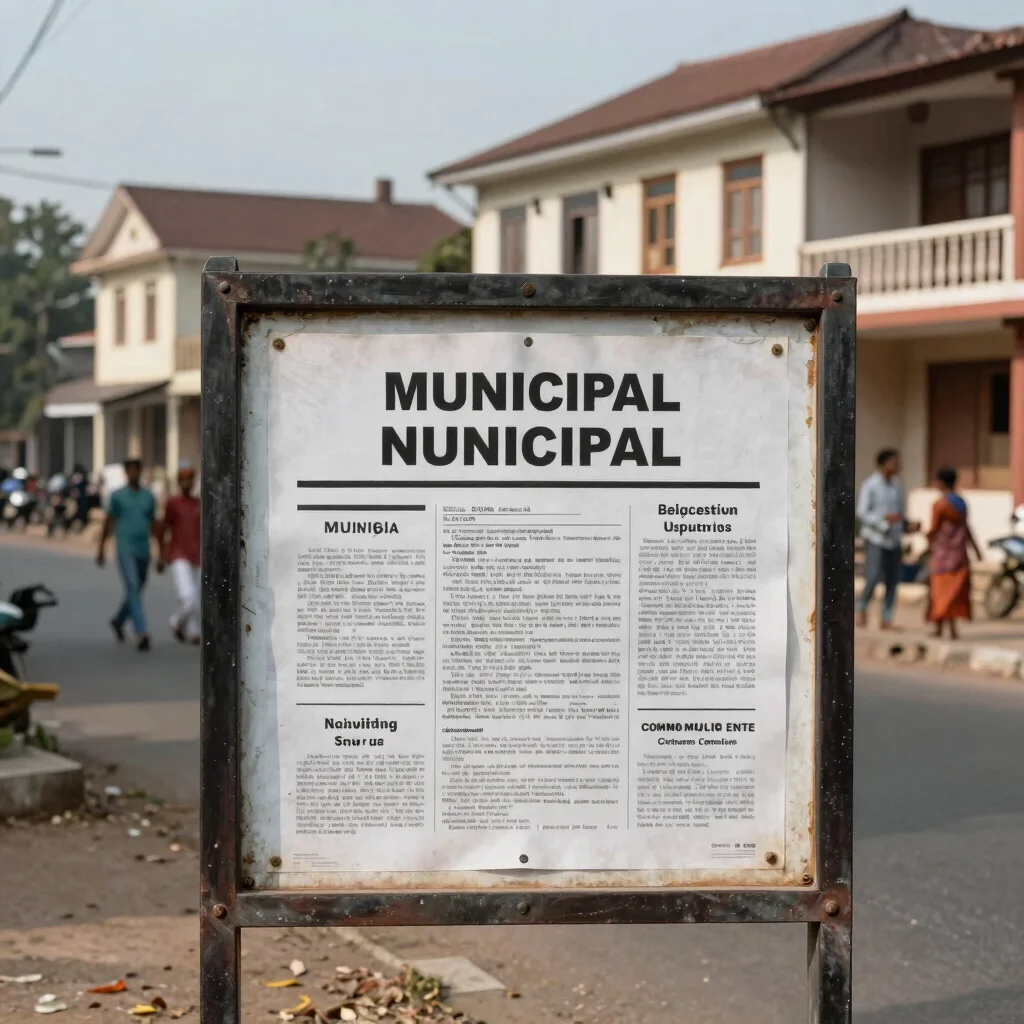
A notice about road work or a water-supply interruption may name a ward, a date, and a department. For a resident deciding whether to leave earlier or store water, those details are a start—not the whole story. The local report has to translate the notice into a usable picture of daily life.
Map the Impact Precisely
Broad labels such as “parts of the city” offer little help to someone trying to find out whether their street is included. A useful report checks the named areas against the original notice and identifies the boundaries, landmarks, or roads that make the information easier to follow.
Precision also means resisting the urge to extend a warning beyond what its source says. If a department lists particular neighbourhoods, the article should not imply that the entire city will face the same disruption.
Put the Date in Context
A date in a public notice might refer to planned work, a public meeting, or the day residents should expect a change. Those are different kinds of dates. Reporting should say which one applies and distinguish a scheduled plan from a confirmed outcome.
Readers also need to know when the information was checked. If an office revises its notice, an article with a clear publication or update time helps residents judge whether the details they are reading still apply.
Give Readers a Next Step
A local report is stronger when it points to the department, helpline, meeting, or official notice connected to the issue. That does not mean sending readers away to do the reporting themselves; it means showing where the information came from and how they can follow a change.
The best civic coverage leaves a reader with a clear answer to three questions: what is planned, which places are affected, and where will the next reliable update appear? Those answers turn a notice into public information people can actually use.